specialty journal of medical research and health science
Volume 10,
2025,
Issue 1
Recent Advancements in Regenerative Endodontics: A Narrative Review
Abdulaziz Saud Abdulaziz Aleid* ,
Abdulrahman Omar Almasoud ,
Abdullah Saleh Alwohaibi ,
Saud Murshed Alharbi
-
Department of Dentistry, Prince Sultan Military Medical City, Riyadh, Saudi Arabia.
Pages: 10-17
Abstract
Regenerative endodontics (RET) has become a biologically based alternative to the traditional apexification procedure to treating immature permanent teeth with necrotic pulps. Various methods, such as absorption of vitality and absorption of vitality plus bone morphogenetic protein, can be performed using conventional approaches by attempting to co-culture stem cells, scaffold, and signalling molecules. This narrative review summarizes the latest development within the field of RET in the period between 2019 and 2025 with focus on advances in the biologics, scaffolding techniques, irrigants, and adjunctive modalities. Sources of stem cells, e.g. dental pulp stem cells, stem cells of the apical papilla, and stem cells derived from human exfoliated deciduous teeth also express a regenerative capacity. Platelet-rich plasma, platelet-rich fibrin, and synthetic hydrogels are characterized by consistent high success rate; none is better than the other. New adjuncts, including nanotechnology, photobiomodulation, and artificial intelligence, are improving the predictability of treatment and improving biological outcomes. Although promising developments have been reported, some issues need to be addressed, namely, microbial control, interpatient variability and protocol standardization. As clinical endodontics is rapidly evolving, endodontics has given way to a more natural and biologically superior treatment path towards successful tooth preservation.
Keywords:
Endodontics, Regeneration, Randomized controlled trials, Dentistry
How to cite:
Vancouver
Aleid ASA, Almasoud AO, Alwohaibi AS, Alharbi SM. Recent Advancements in Regenerative Endodontics: A Narrative Review. SPEC. J. MED. RES. HEALTH SCI.. 2025;10(1):10-7.
https://doi.org/10.51847/fnKmzYqKQo
APA
Aleid, A. S. A., Almasoud, A. O., Alwohaibi, A. S., & Alharbi, S. M. (2025). Recent Advancements in Regenerative Endodontics: A Narrative Review.
specialty journal of medical research and health science, 10(1), 10-17.
https://doi.org/10.51847/fnKmzYqKQo
References
- Diogenes A, Ruparel NB, Shiloah Y, Hargreaves KM. Regenerative endodontics: a way forward. J Am Dent Assoc. 2016;147(5):372-80.
- Brizuela C, Huang GT, Diogenes A, Botero T, Khoury M. The four pillars for successful regenerative therapy in endodontics: stem cells, biomaterials, growth factors, and their synergistic interactions. Stem Cells Int. 2022;2022:1580842. doi:10.1155/2022/1580842
- Kim SG, Malek M, Sigurdsson A, Lin LM, Kahler B. Regenerative endodontics: a comprehensive review. Int Endod J. 2018;51(12):1367–88. doi:10.1111/iej.12954
- Estefan BS, ElBatouty KM, Nagy MM, Diogenes A. Influence of age and apical diameter on the success of regenerative endodontic procedures. J Endod. 2016;42(11):1620-5.
- Chrepa V, Pitcher B, Henry MA, Diogenes A. Clinical outcomes of immature teeth treated with regenerative endodontic procedures–a San Antonio study. J Endod. 2020;46(8):1074-84.
- Tzanetakis GN, Giannakoulas DG, Papanakou S, Gizani S, Lygidakis N. Regenerative endodontic therapy of immature permanent molars with pulp necrosis: a case series and a literature review. Eur Arch Paediatr Dent. 2021;22(5):515–25. doi:10.1007/s40368-020-00550-w
- Almutairi W, Yassen GH, Aminoshariae A, Williams KA, Mickel A. Regenerative endodontics: a systematic analysis of the failed cases. J Endod. 2019;45(5):567–77. doi:10.1016/j.joen.2019.02.004
- Koç S, Del Fabbro M, Aksel H. Does the etiology of pulp necrosis affect regenerative endodontic treatment outcomes? A systematic review and meta-analysis. J Evid Based Dent Pract. 2020;20(1):101400.
- Sabeti M, Ghobrial D, Zanjir M, da Costa BR, Young Y, Azarpazhooh A. Treatment outcomes of regenerative endodontic therapy in immature permanent teeth with pulpal necrosis: a randomized controlled trial and quantitative synthesis of scaffold selection. Int Endod J. 2024;57(3):250–60.
- Tewari N, Devi P, Sampath S, Mathur VP, Tsilingaridis G, Wikström A, et al. Comparative effectiveness of regenerative endodontic treatment versus apexification for necrotic immature permanent teeth with or without apical periodontitis: an umbrella review. Dent Traumatol. 2025;41(3):263–82. doi:10.1111/edt.13028.
- Lee C, Song JS, Kim Y, Roh BD. Failure of regenerative endodontic procedures: case analysis and subsequent treatment options. J Endod. 2022;48(5):646-55.
- Sellami R, Van Holm W, Meschi N, Van Den Heuvel S, Pauwels M, Verspecht T, et al. Regenerative endodontic procedures in immature permanent teeth with pulp necrosis: the impact of microbiology on clinical and radiographic outcome. Front Dent Med. 2023;4:1281337. doi:10.3389/fdmed.2023.1281337
- Javed MQ, Ali A. A narrative review on applications of nanotechnology in modern endodontics. Saudi Endod J. 2025;15(1):1-8.
- Huang Q, Li Z, Lyu P, Zhou X, Fan Y. Current applications and future directions of lasers in endodontics: a narrative review. Bioengineering. 2023;10(3):296.
- Fouad EM, Fawzy MI, Saafan AM, Elhousiny MA. Regenerative endodontic therapy in immature teeth using photobiomodulation and photodynamic therapy: an in vivo study. BMC Oral Health. 2024;24:50.
- Malekpour F, Bahrami R, Hodjat M, Hakimiha N, Bolhari B, Sooratgar A, et al. Effect of photobiomodulation therapy on TGF-β release from dentin, migration and viability of dental pulp stem cells in regenerative endodontics treatment: an ex vivo study. J Photochem Photobiol B. 2024;250:112490. doi:10.1016/j.jphotobiol.2023.112490
- Lopes de Oliveira CL, Ferreira FM, Puppin-Rontani J, Puppin-Rontani RM, Pascon FM. Potential of irrigants and medicaments in regenerative endodontics: insights from a systematic review on dentin growth factor release. Odontology. 2025;113(2):347–59. doi:10.1007/s10266-025-00879-4
- Etezadkeyhan P. Recent advances in regenerative endodontics: clinical applications and challenges. J Oral Dent Health Nexus. 2024;1(1):29-42.
- Alharith D, Altuwaijri M, Kattan B. Updates in regenerative endodontics for young general practitioners: a literature review. Int J Med Dev Ctries. 2022;6(3):541–50. doi:10.24911/IJMDC.51-1634562991
- Kyaw MS. Endodontic regeneration therapy: current strategies and future challenges. Cells. 2025;14(6):422.
Keywords:
Endodontics, Regeneration, Randomized controlled trials, Dentistry
INTRODUCTION
Regenerative endodontics (RET) is a paradigm shift in treating an immature permanent tooth with a necrotic pulp and apical periodontitis. T has been referred to as the biologically-grounded process that is intended to substitute the damaged dentin, root and pulp-dentin complex with living tissues that restore functionality [1]. Next, as opposed to conventional endodontics therapy in which disinfection and obturation acts are important, RET is based on the principle of regeneration with a triad of stem cells, scaffolds, and signaling molecules to regenerate pulp tissue and enable further root developments [2, 3].
In the past, immature teeth presented with dead pulps were managed by apexification either with mineral trioxide aggregate or calcium hydroxide. Although these methods were capable of inducing the apical barrier formation, they tended to produce very thin dentinal layers and increased risk of root perforation (2,15). The addition of RET provided a biologically superior alternative as it stimulated root maturation, apical closure, and deposition of new dentin [4-6]. Subsequent early case reports and cohort findings were encouraging and led to the widespread clinical use of the therapy [5, 7].
This need of RET is indicated by its capability to sustain functionality of half-finished permanent teeth, which most would be structurally weakened. Multiple systematic reviews and meta-analyses have supported these finding, finding that that RET generates good clinical success rates, and results in improvements in root length and dentinal wall thickness that are at least comparable to or greater than traditional apexification [8-10]. In addition, scaffolds including platelet-rich plasma (PRP), platelet-rich fibrin (PRF), and blood clots have demonstrated high success rates with no significant difference in overall clinical outcomes [9, 11, 12].
The last several years (2019-2025) have seen substantial growth of regenerative strategies. New bioactive scaffolds and nanotechnology-based carriers have been developed with the aim to optimize cell proliferation and differentiation [2, 13]. Photobiomodulation therapy and lasers have been considered an adjunct to enhance disinfection and dentin-derived growth factor release [14-16]. Clarifications on the role of intracanal irrigants and medicaments in the release of bioactive molecules like transforming growth factor beta (TGF-beta) and vascular endothelial growth factor (VEGF) have further expounded on the biological basis of RET [16, 17]. Also, recent umbrella reviews and randomized controlled trials have shown that RET may yield more predictable results compared to apexification especially in the treatment of immature necrotic permanent teeth with apical pathology [9, 10].
With the following developments, the current review article is intended to synthesize and critical evaluate the current trends not just in regenerative endodontics, but in 2019-2025 as well. The organization of this review is as follows: the Materials and Methods part explains the search strategy, the inclusion criteria, the Results above; the Discussion puts the findings in contexts, and the Conclusion outlines the way forward. In this synthesis, the review aims at offering an updated knowledge of regenerative endodontics as a modern and biologically-based method of treatment [18-20].
Aims of the study
This narrative review is submitted with the objective of giving a current synthesis of the recent developments in regenerative endodontics (RET). The main objective is to critically analyze what has been achieved between 2019 and 2025, especially in utilizing stem cells, scaffolds and Biologically Active molecules, which are the basis of successful regeneration of the pulp-dentin complex [2, 3]. The secondary aim is to evaluate how irrigants and intracanal medicaments can modulate dentin-derived growth factor release and the viability of stem cells, given that they have been proven to influence treatment outcomes directly and considerably [16, 17]. In addition, this review will underline current clinical outcomes, lack of reproducibility, and future research which is yet to be studied, including standardization of protocols and long-term follow-ups [9, 10]. The purpose of the review is to offer an in-depth insight into RET as a biological treatment modality that continues to evolve [18, 20].
Materials and Methods
This manuscript was structured as a narrative review instead of a systematic review to summarize the last developments of regenerative endodontics (RET) in 2019-2025. As with any emergent field, including RET, narrative reviews are especially pertinent because the literature is heterogeneous and includes both laboratory and clinical studies [3, 18].
Sources and search strategy
All the studies were conducted on three large databases (PubMed, Scopus, and Google Scholar) during the period between January 2019 and July 2025. Keywords and Medical Subject Headings (MeSH) terms used were a combination of regenerative endodontics, pulp regeneration, immature teeth, stem cell, scaffold, irrigants, medicaments and clinical outcome. Boolean operators (AND/ ][179 radical OR) were used to narrow or extend the search.
Inclusion and exclusion criteria
Articles were eligible if they met the following criteria:
- Published in English 2019-2025.
- Dedicated to RET in immature permanent teeth, or specified corresponding approaches that included scaffolds, stem cells, and growth factors, or irrigant/medicament regimens.
- Raw data retrieved consisted of clinical studies, randomized control trials, systematic reviews, or high-quality narrative reviews related to RET outcomes [2, 4, 5, 17].
Exclusion criteria included
- Research that is done in animal models exclusively, or applied studies that do not relate to clinical findings.
- Articles not related to endodontics or pulp regeneration.
- Case reports which do not present quantifiable clinical or radiographic results
Study selection
The preliminary search result was 531 papers in databases. Following the removal of duplicates and title / abstract screening, 57 articles were read in full. These were narrowed to 20 studies that finalised to be included as part of this review. The selection was based on the clinical relevance, level of methodological rigor, and the contribution in direct relevance to the field of RET (120).
Table 1. Search Strategy
|
Database
|
Years Covered
|
Keywords Used
|
Articles Retrieved
|
Articles Included
|
|
PubMed
|
2019–2025
|
“regenerative endodontics, pulp regeneration, scaffolds”
|
256
|
12
|
|
Google Scholar
|
2019–2025
|
“recent advancements in RET”
|
180
|
6
|
|
Scopus
|
2019–2025
|
“stem cells in endodontics”
|
95
|
2
|
Results and Discussion
The findings of this review are summarized under four key areas including stem cells and biologics, scaffolds, irrigants/medicament as well as novel adjuncts/technologies. Collectively, the 20 involved studies establish that regenerative endodontics (RET) is clinically effective especially when biologically active scaffolds are used in conjunction with enhanced irrigant regimens.
Stem cells and biologics
The biological basis of RET is the stem cells. DPSCs, SCAPs, and SHEDs are the most explored cells, which are multipotent and follow the morpho differentiation into odontoblast-like cells under favorable conditions [2, 3]. TGF-beta 1, BMP2/7, and VEGF are some growth factors that play a significant role in influencing stem cell activity to accomplish dentinogenetic, angiogenesis, and tissue repair [16, 17].
Scaffolds in RET
Scaffolds offer the three dimensional support that is required to attach and proliferate. Blood clot (BC), platelet-rich fibrin (PRF), and platelet-rich plasma (PRP) are the most popular natural scaffolds with a success rate of up to 100% [9, 11, 12]. Artificial scaffolds including collagen membranes, hydrogels among others, are becoming common especially as a vehicle during controlled growth factors release [2, 13].
Irrigants and medicaments
Disinfection is an essential pillar/foundation of RET. NaOCl is frequently utilized, but is cytotoxic at elevated concentrations, hence lower concentrations combined with EDTA (1020%, 1720%) should be used. DTA also promotes the secretion of TGF-beta 1 and BMPs which are known to facilitate stem cell differentiation [16, 17]. Calcium hydroxide [Ca(OH) 2 ] presents biocompatibility and promising results regarding the release of growth factors, and new methods of promoting regeneration are photobiomodulation therapy (PBMT) and photodynamic therapy (PDT) [15, 16].
Novel adjuncts and technologies
The speed of technological developments has diversified the RET strategies beyond the traditional ones. Approaches such as laser-aided disinfection, PBMT/PDT, nanotechnology-based scaffolds and even artificial intelligence (AI) to predict outcomes, have demonstrated encouraging prospective in clinical and laboratory studies [13-16].
Consolidated summary of included references
A cross-linking of findings due to each of the 20 included studies is summarized in Table 2. Using this table, I have provided a summary of the evidence base supporting recent advances in RET through authorship, year, primary focus, and key clinical outcomes to allow a complete overview of the evidence base underpinning recent advances in RET.
Table 2. Summary of Included References on Advancements in Regenerative Endodontics
|
Author/Year
|
Focus
|
Key Finding
|
Clinical Outcome
|
|
Diogenes et al. (2016) [1]
|
RET definition & biological basis
|
Stem cells, scaffolds, signaling molecules
|
Defined RET triad
|
|
Estefan et al. (2016) [4]
|
SCAPs
|
Larger apical diameters improved outcomes
|
↑ Root maturation
|
|
Chrepa et al. (2020) [5]
|
Clinical RET outcomes
|
Favorable survival in immature teeth
|
High success
|
|
Koç et al. (2020) [8]
|
Systematic review
|
Etiology influences RET outcomes
|
Trauma-related cases lower success
|
|
Lee et al. (2022) [11]
|
Failed RET cases
|
Persistent infection main cause
|
79% failures due to infection
|
|
Sellami et al. (2023) [12]
|
Microbiology
|
Microbial profile impacts RET success
|
Better outcomes with infection control
|
|
Tzanetakis et al. (2021) [6]
|
Case series in molars
|
RET feasible in posterior teeth
|
Resolution of apical periodontitis
|
|
Alharith et al. (2022) [19]
|
Young practitioners
|
RET updates for clinical practice
|
↑ Awareness & adoption
|
|
Brizuela et al. (2022) [2]
|
Four pillars concept
|
Stem cells, scaffolds, growth factors, signaling
|
Synergistic success
|
|
Kim et al. (2018) [3]
|
Comprehensive review
|
Biological & clinical updates
|
Benchmark RET reference
|
|
Lopes de Oliveira et al. (2025) [17]
|
Irrigants/medicaments
|
EDTA ↑ TGF-β1 & BMP release
|
Enhanced stem cell differentiation
|
|
Malekpour et al. (2024) [16]
|
PBMT
|
↑ Growth factor release & viability
|
Improved healing
|
|
Sabeti et al. (2024) [9]
|
RCT scaffold selection
|
PRF, PRP, BC comparable
|
High clinical success
|
|
Tewari et al. (2025) [10]
|
Umbrella review
|
RET > apexification
|
RET more predictable
|
|
Kyaw et al. (2025) [20]
|
Future directions
|
Bioengineering, nanotech
|
Outlined future RET strategies
|
|
Javed & Ali (2025) [13]
|
Nanotechnology
|
Nano-scaffolds for controlled release
|
↑ Mineralization
|
|
Huang et al. (2023) [14]
|
Laser adjuncts
|
Faster healing, dentin GF release
|
Improved regeneration
|
|
Fouad et al. (2024) [15]
|
PBMT & PDT
|
Improved angiogenesis & revascularization
|
↑ Pulp vitality
|
|
Almutairi et al. (2019) [7]
|
Systematic analysis
|
Failure linked to infection & technique
|
Need for standardized protocols
|
|
Etezadkeyhan (2024) [18]
|
Clinical applications & challenges
|
Practical RET overview
|
Identified clinical gaps
|
|
|
|
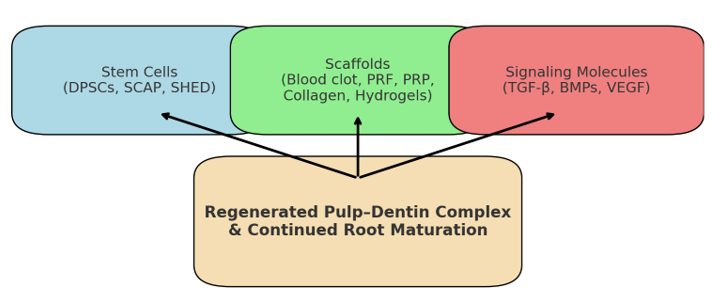
Figure 1. Schematic of Regenerative Endodontics
|
Figure 1. Schematic representation of the regenerative endodontics triad. Successful pulp–dentin complex regeneration depends on the interplay between stem cells (dental pulp stem cells, stem cells from the apical papilla, stem cells of human exfoliated deciduous teeth), scaffolds (blood clot, platelet-rich fibrin, platelet-rich plasma, biomaterials), and signaling molecules (TGF-β, BMPs, VEGF). This interaction promotes tissue repair, root maturation, and functional restoration of immature necrotic permanent teeth [1-3, 17].
The current literature review served as a synthesis of the development achieved in the field of regenerative endodontics (RET) between 2019 and 2025, including regenerative endodontics and stem cells, scaffolds used in regenerative endodontics, irrigants in regenerative endodontics and adjunctive technologies. Altogether, all the reviewed studies showed high clinical success rate of RET, particularly in non-fully formed permanent teeth with necrotic pulps. Regarding clinical and radiographic outcomes, apical closure, root wall thickening, and re-establishment of the pulp sensibility have been reported in 77-100 percent of cases regardless of which scaffold material was used [9, 11, 12]. Notably, these observations indicate that although there seems to be a wide efficacy of RET, no specific scaffold exudes a formidable effect with respect to long-term clinical success. This is consistent with previous systematic reviews and meta-analyses that had indicated that blood clot, platelet-rich plasma (PRP), and platelet-rich fibrin (PRF) scaffolds do not produce materially different results [6, 9].
Microbiology and infection control
The state of the canal microbiologically as far as it pertains to treatment outcome of RET should be seen as a key determinant. Persistent infection has remained as the frequent cause of failure with up to 79 percent of the cases failing due to this element [7, 11]. Despite all irrigation precautions, residual microorganisms or biofilms have the potential to impact stem cell survival and scaffold incorporation, thus hindering regeneration [12, 17]. Case studies on unsuccessful RET have revealed that the critical issue is keeping the infection at bay, rather than the type of scaffold and adjunctive treatment, which underscores the importance of thorough debridement and predictable application of intracanal medicaments [7, 17].
Role of stem cells and biologics
Regenerative process revolves around the utilization of stem cells especially the stem cell in the apical papilla (SCAP) and dental pulp stem cell (DPSCs). Experimental findings support that they can form odontoblast-like cells in the presence of biologics such as transforming growth factor and beta (TGF-BF) and vascular endothelial growth factors (VEGF), allowing dentinogenesis and angiogenesis to continue [2, 3, 17]. Nevertheless, the non-homogeneity of the protocol related to the use of the stem cells mobilization and delivery presents a problem in terms of variance. Additionally, most clinical data are based on small cohort studies, not large- scale randomized controlled trials (RCTs), and are thus not generalizable [9, 10].
Scaffold and biomaterials
Scaffolds have remained important in facilitating migration and differentiation of cells in a three dimensional matrix. Although autologous blood clot formation is most accessible, PRP and PRF provide an opportunity to deliver growth factors and be active [9, 11, 12]. Recent studies of the nanostructured hydrogel and collagen-based scaffold, using synthetic biomaterials, have shown excellent advancement in the adhesion of stem cells and formation of mineralized tissues [2, 13]. Areas of difficulties still exist regarding cost, preparational complexity, and protocol standardization that reduces general use.
Irrigants and medicaments
Put in place irrigation strategies, that play a significant role in the biological microenvironment. Bioactive dentin molecules like TGF-beta 1 and bone morphogenetic proteins (BMPs) have been demonstrated to be released through EDTA, increasing stem cell differentiation [17]. When mixed with sodium hypochlorite (NaOCl) or chlorhexidine (CHX), EDTA lends synergistic effects with enhanced disinfection, as well as stimulation in growth factor release. The potential of calcium hydroxide, a traditional intracanal medicament, to mediate the release of TGF-beta 1 has also been shown though with inconsistent results [16, 17]. In spite of these developments, variation of irrigation procedures in different studies introduces challenges to making straight comparisons of the results.
Emerging adjunctive technologies
It is recently apparent that adjunctive technologies have the potential to improve the outcomes of RET. Photobiomodulation and photodynamic treatment have been reported to cause increased disinfection, dentin-derived growth factor release and maintaining viable stem cells [15, 16]. Equally, the application of lasers has been demonstrated to be effective in bio-stimulation and enhanced healing of periapical lesions [14]. Scaffolding and organ carriers, which may be nanotechnology-based, will be another frontier that allows freedom of load release of growth factors and enhancement of mineralization [13]. More so, the initial use of artificial intelligence (AI) in endodontics shows that it might be possible to predict the success of RET and individual designs of treatment [15].
Limitations of current evidence
As encouraging the results are, a few limitations have been identified with the reviewed literature. The heterogeneity poses challenges in many clinical research studies due to issues related to patient population, treatment modalities, and outcome measures thereby complicating the process of defining standard guidelines [10, 19]. Most reports are restricted either to small sample size or a single-center trial, which is a limitation to the scope of external validity. In addition, there is also a lack of long-term follow-ups (beyond 2 years) speculating the sustainability of RET results [7, 10].
Future directions
The future progress on RET will be associated with the incorporation of biomaterials, biologics, and new technologies in standardized therapy procedures. The use of bioengineered scaffolds containing controlled release-growth factors as well as use of stem cell therapies may improve predictability and success. The integration of nanotechnology and the possibility of AI-enabled diagnostics may add further individualization of treatment and clinically relevant decision-making [13, 15, 20]. Multicentric and large sample size RCTs, where the protocol is standardized, are much needed to create evidence-based guidelines that will help clinicians across the world [9, 10].
Conclusion
Regenerative endodontics (RET) has been seen as a revolutionary concept in the management of immature permanent teeth with necrotic pulps shown to achieve clinical success rates higher than standard apexification. The combined effects of these three components (stem cells, scaffolds, and biologically active molecules) allow the further growth of roots and regeneration of the pulp/dentin complex using RET [1-3]. Recent advances such as platelet-rich fibrin, nanotechnology-based scaffolds and adjunctive therapies including lasers and photobiomodulation offer the potential to increase predictability and clinical outcomes [13-16]. Nevertheless, there are still gaps in terms of integrating protocols, infection management, and, most importantly, ensuring the viability of the long-term results of the treatment of different populations [7, 9, 10]. However, RET remains to transform the carrying field of clinical endodontics and has significant opportunities to substitute the conventional apexification as the method of selection in the management of immature necrotic teeth [18-20].
Acknowledgments: None
Conflict of interest: None
Financial support: None
Ethics statement: None