specialty journal of medical research and health science
Volume 9,
2024,
Issue 1
Reducing Inaccurate Referrals to Dental Home Care Using Dental Virtual Clinic
Asma Alhamazani* ,
Mohammed Abdulkarim Alzahrani ,
Muteb Khalaf Almuways ,
Faisal Lafi Almutairi ,
Mashael Shafi Alsalmi Alenazi ,
Rowan Abdullah Mansour Alqarni ,
Alanoud Fahd Fajri Alshamri ,
Najwa Suleiman Salman Almutairi ,
Loujain Saleh Alghamdi ,
Noof Saeed AlKahtani ,
Hadil Ali AlAmry ,
Raghad Abdullah Alrubayan ,
Majed Saber Alsaeed
-
Consultant in Restorative Dentistry, Prince Sultan Military Medical City, Riyadh, Saudi Arabia.
-
Prosthodontist, Prince Sultan Military Medical City, Riyadh, Saudi Arabia.
-
General practitioner, Prince Sultan Military Medical City, Riyadh, Saudi Arabia.
-
Registrar Dentist, Prince Sultan Military Medical City, Riyadh, Saudi Arabia.
-
Dental Assistant, Prince Sultan Military Medical City, Riyadh, Saudi Arabia.
-
Prince Sultan Military Medical City, Riyadh, Saudi Arabia.
-
Oral and Dental Health Specialist, Prince Sultan Military Medical City, Riyadh, Saudi Arabia.
-
Dental Student - King Saud bin Abdulaziz University for Health Sciences, Riyadh, Saudi Arabia.
-
Health Information Technician, Prince Sultan Military Medical City, Riyadh, Saudi Arabia.
Pages: 15-24
Abstract
The rise in the number of older people in Saudi Arabia, who suffer from chronic, mobility-restricting diseases necessitates need for domiciliary care Companies such as Dental Home Care (DHC). This research aims at examining the effects of adopting a new concept of a virtual dental clinic at Prince Sultan Military Medical City (PSMMC) to minimize inapposite referrals, misallocation of resources, and to improve patients’ outcomes in DHC services. By means of virtual dental clinics, teleconsultations can facilitate preliminary examinations necessary to exclude or include patients in the DHC programme. This model is expected to enhance the efficient and effective use of resources, minimize call-frequency based encounters and increase patient and provider satisfaction. Both, retrospective and prospective investigations were performed including one year prior to the virtual clinic as well as one year post implementation. Studies show that virtual screening succeeded in achieving high accuracy in referrals, sustainability in effective resource utilization and cost savings; all of which affirm optimization of DHC processes.
Keywords:
Dental virtual clinic, Dental, Saudi Arabia, Dental Home Care (DHC)
How to cite:
Vancouver
Alhamazani A, Alzahrani MA, Almuways MK, Almutairi FL, Alenazi MSA, Alqarni RAM, et al. Reducing Inaccurate Referrals to Dental Home Care Using Dental Virtual Clinic. SPEC. J. MED. RES. HEALTH SCI.. 2024;9(1):15-24.
https://doi.org/10.51847/VH2lQAOW1M
APA
Alhamazani, A., Alzahrani, M. A., Almuways, M. K., Almutairi, F. L., Alenazi, M. S. A., Alqarni, R. A. M., Alshamri, A. F. F., Almutairi, N. S. S., Alghamdi, L. S., AlKahtani, N. S., et al. (2024). Reducing Inaccurate Referrals to Dental Home Care Using Dental Virtual Clinic.
specialty journal of medical research and health science, 9(1), 15-24.
https://doi.org/10.51847/VH2lQAOW1M
References
- American Psychiatric Association. Diagnostic and statistical manual of mental disorders. 4th ed. Washington, DC: American Psychiatric Association; 2000.
- Armfield JM, Slade GD, Spencer AJ. Dental fear and adult oral health in Australia. Community Dent Oral Epidemiol. 2009;37(3):220-30.
- Armfield JM, Spencer AJ, Stewart JF. Dental fear in Australia: who's afraid of the dentist? Aust Dent J. 2006;51(1):78-85.
- Armfield JM, Stewart JF, Spencer AJ. Dental fear: interplay between oral health, service utilization, and dental fear. BMC Oral Health. 2007;7:1.
- Armfield JM. Dental fear and phobia in Australia. Aust Dent J. 2010;55(4):368-77.
- Brahm CO, Lundgren J, Carlsson SG, Nilsson P, Corbeil J, Hägglin C. Dentists' views on fearful patients: problems and promises. Swed Dent J. 2012;36(2):79-89.
- Chanpong B, Haas DA, Locker D. Need and demand for sedation or general anesthesia in dentistry: a national survey of the Canadian population. Anesth Prog. 2005;52(1):3-11.
- McGrath C, Bedi R. The association between dental anxiety and oral health-related quality of life in Britain. Community Dent Oral Epidemiol. 2004;32(1):67-72.
- Milgrom P, Weinstein P, Heaton LJ. Treating fearful dental patients: a patient management handbook. Seattle: Dental Behavioral Resources; 2009.
- Nicolas E, Collado V, Faulks D, Bullier B, Hennequin M. A national cross-sectional survey of dental anxiety in the French adult population. BMC Oral Health. 2007;7:12.
- Okoro CA, Strine TW, Eke PI, Dhingra SS, Balluz LS. Association between depression, anxiety, and use of oral health services. Community Dent Oral Epidemiol. 2012;40(2):134-44.
- Pohjola V, Lahti S, Vehkalahti MM, Tolvanen M, Hausen H. Dental fear and dental attendance in Finland. Acta Odontol Scand. 2007;65(4):224-30.
- Schuller AA, Willumsen T, Holst D. Differences in oral health behavior between individuals with high and low dental fear. Community Dent Oral Epidemiol. 2003;31(2):116-21.
- van Wijk AJ, Hoogstraten J. Anxiety and pain during dental injections. J Dent. 2009;37(9):700-4.
Keywords:
Dental virtual clinic, Dental, Saudi Arabia, Dental Home Care (DHC)
INTRODUCTION
Under the umbrella of Saudi Arabia’s Vision 2030, which aimed at achieving health care for all, the health care system has gradually turned its attention to domiciliary care services more especial in elderly and home-bound patients (Armfield et al., 2006). Dental Home Care (DHC) programs have been developed to deliver necessary dental services to patients who cannot attend health facilities due to physical, psychological, or by other reasons. However, the successful implementation of DHC delivery faces a problem of identifying eligible patients since wrong identification leads to wastage of time and other resources, elevated costs, and unsatisfied patients (Nicolas et al., 2007).
This growing concern demands a credible screening model through which only deserving individuals should receive DHC. To ineligible referrals, issues like staff hour misallocation, transportation misallocation and misallocation of consumable items has become the order of the day. Some of these inefficiencies compromise operations while others increase costs and reduce the quality of care that is accorded to qualifying patients (Chanpong et al., 2005). Telemedicine and teledentistry have progressively become potentially suitable for these weaknesses as virtual dental clinics. Patients can even be evaluated and checked if they are suitable for the DHC without a face-to-face encounter, which makes use of virtual consultation an appropriate tool in fee-for-service practices (Armfield et al., 2009; van Wijk & Hoogstraten, 2009). This paper focuses on the virtual dental clinic of PSMMC and its effectiveness in perusing goals like effective patient referral, minimize unessential referral and optimum utilization of the DHC (Armfield, 2010). The study provides an understanding of how virtual dental consultation yielded positive and novel solutions that could revolutionize patient care delivery at a health facility level, in the face of limited resources and scope together with the financial capacity to support changes (Milgrom et al., 2009).
Aims
In addition, the primary research question focuses on the impact of virtual dental clinics to increase accuracy of DHC referrals at PSMMC (Schuller et al., 2003; Pohjola et al., 2007). Specific objectives include:
- Minimizing the referral errors percentage related to DHC to less than 5% by using virtual screening procedures.
- Reduction in real-life time spent for screenings as well as equipment and people’s time for travel and many other resources’ optimization as a result of digital screenings.
- Redesigning the DHC referral and mechanisms of effective patient and provider satisfaction in a progressive manner.
These aims help in the goal of sustaining the DHC practices according to the Saudi Arab Vision 2030 by pushing health services that are accessible, efficient, and centered on patients.
Materials and Methods
Study design and setting
The research was carried out in the Postgraduate Students Mosque and Medical Centre, in Riyadh, Saudi Arabia with the use of quantitative and qualitative research method. Measures of before and after, and some prediction of future referral data were evaluated in order to determine the effects of virtual screening on DHC service provision both in productivity and precision. Baseline information was collected as retrospective data inclusive of May 2022 to April 2023 to determine existing referral practices, while data was collected as prospective following the implementation of the virtual screening from May 2023 to April 2024 (American Psychiatric Association, 2000; Okoro et al., 2012).
Data collection
Data collection spanned pre- and post-intervention periods and included various indicators of resource usage and referral accuracy:
- Referral data: These included the actual number of new DHC referrals, categorization of referrals rejected by insurance companies and successful virtual screening done.
- Resource metrics: Numbers on the use of PPE, cost of transportation, and time spent on physical visits and costing per patient.
- Patient and provider satisfaction: To evaluate the satisfaction level with the virtual clinic model quantitative feedback was not collected for the project.
An incremental cost model was also developed in order to generate statistics pertinent to the monetary consequences of decreased demand to face-to-face screening and excellent resource management.
Methodology
The specific approach chosen for the study implemented a structured and systematic approach to this issue regarding the DHC referral (McGrath & Bedi, 2004; Armfield et al., 2007). Several key components were included:
- Virtual screening: All new DHC referrals were to book for initial telehealth appointments. This approach facilitated collection of information on patients’ general and dental health as well as an initial determination of their fitness for DHC from a distance.
- Patient exclusion criteria: Parameters were set to exclude those who should not be offered DHC such as having severe neurological diseases, learning disabilities or having conditions that require hospital care. Effectively, what this mean is that through virtual exclusion of ineligible patients DHC was able to provide care to deserving home-based patients.
- Preparation and training for dental professionals: It is worth mentioning that the dental staff went through separate training for online consults with patients. Course elements included telemedicine equipment, patient interaction and communication, and methods of assessing patients’ needs from afar to assist providers in identifying the patients who meet program criteria. Standard protocols were given to the staff so that they may effectively utilize their time online to perform online screening efficiently.
- Data analysis and monitoring: Data derived from referrals were assessed on monthly basis in relation to proportion of correct/incorrect referrals, and costs. Other data routinely submitted and analyzed were total number of referrals in a month, total virtual screenings, total resources used. These variables have been compared with baseline data to determine changes after intervention.
- Technology and infrastructure: The virtual screening was enhanced by a HIPAA compliant telemedicine system that incorporated video calling to enable understanding of patient’s conditions by the providers. Technical assistance was given in order to facilitate use of the technology in existing processes effectively (Brahm et al., 2012).
Statistical analysis
Characteristics of the cross-sectional and longitudinal data were analyzed using descriptive statistics such as frequencies, percentages, and averages on the baseline referral data and the outcomes of the implemented intervention. Preliminary costs to wear PPEs, fuel expenses, and the number of staff hours spent on the implementation procedures were also quantified before and after implementation. Referral patterns and treatment delivered at first point contact were measured by analyzing the monthly referral data and comparing the percentage of correct referrals and incorrect referrals and treatments given at first instance to identify numerical evidence of changes.
Results and Discussion
Baseline data (May 2022 - April 2023)
In the twelve months prior to the introduction of the virtual screening, there were 239 referrals to DHC, each of whom had to attend a face to face screenee visit. Out of them 55 patients (23%) were declared ineligible for DHC after face-to-face encounter which resulted in wasted resources which also included staff time, cost for travel, and PPE consumption. This inefficiency thus called for a more efficient screening process (Chanpong et al., 2005; Milgrom et al., 2009).
Post-implementation data (May 2023 - April 2024)
The implementation of virtual screening resulted in substantial improvements:
- Among newly referred patients, 94 of 343 DHC patients would have been ineligible based on virtual screening and would not require an in-person screening visit.
- The average of the percentage of inaccurate referrals after the implementation of the intervention was 2.8%, reducing the inaccurate referrals to below 5% as per the target of the study.
- Within one visit of the first DHC, the amounts of direct treatments offered amplified, and the proportions of resources shifted to ineligible cases declined suggesting the enhancement of patient care, and precision (Armfield et al., 2007).
Table 1. Retrospective data for one year
|
Year
|
Month
|
Total number of new patients
|
Screening only
|
Number of patients with wrong referrals seen
|
|
| |
|
2022
|
May
|
15
|
15
|
6
|
|
|
2022
|
June
|
18
|
18
|
6
|
|
|
2022
|
July
|
20
|
20
|
2
|
|
|
2022
|
August
|
21
|
21
|
5
|
|
|
2022
|
September
|
24
|
24
|
4
|
|
|
2022
|
October
|
25
|
25
|
4
|
|
|
2022
|
November
|
18
|
18
|
5
|
|
|
2022
|
December
|
19
|
19
|
6
|
|
|
2023
|
January
|
29
|
29
|
7
|
|
|
2023
|
February
|
19
|
19
|
3
|
|
|
2023
|
March
|
17
|
17
|
2
|
|
|
2023
|
April
|
14
|
14
|
5
|
|
|
Total
|
239
|
239
|
55
|
|
Table 1 shows the total number of the newly referred cases to the DHC in one year was 239 and all of them were visited for screening only and 55 patients (23%) did not meet the acceptance criteria for DHC. This data indicates that 55 eligible patients who met the criteria could be treated instead of those wrongly referred patients. Another indication that can be withdrawn from these retrospective data is that 239 visits were only for screening which was costing the hospital time and money for providing equipment, material, PPE, instrument, disinfection and sterilization and vehicle fuel. Adding to that the patient satisfaction was negatively affected because patients and their family were expecting treatment rather than screening only.
Table 2. Patients' data for one year after intervention
|
Year
|
Month
|
Total No.
of new patients
|
No. of patients after Virtual screening
|
Excluded patients / (wrong referral)
|
Screening only
|
Screening and education
|
Number of patients with wrong referrals seen
|
Screening and other treatment
|
% of patients not fit for DHC
|
|
2023
|
May
|
24
|
19
|
5
|
0
|
1
|
1
|
18
|
4%
|
|
2023
|
June
|
40
|
28
|
12
|
0
|
5
|
2
|
33
|
5%
|
|
2023
|
July
|
45
|
34
|
11
|
0
|
2
|
2
|
30
|
4%
|
|
2023
|
August
|
30
|
21
|
9
|
0
|
2
|
1
|
19
|
3%
|
|
2023
|
September
|
27
|
24
|
3
|
0
|
1
|
0
|
23
|
0%
|
|
2023
|
October
|
29
|
25
|
4
|
0
|
2
|
1
|
23
|
3%
|
|
2023
|
November
|
24
|
18
|
6
|
0
|
3
|
0
|
15
|
0%
|
|
2023
|
December
|
23
|
19
|
4
|
0
|
3
|
1
|
16
|
4%
|
|
2024
|
January
|
25
|
18
|
7
|
0
|
1
|
1
|
17
|
4%
|
|
2024
|
February
|
30
|
13
|
17
|
0
|
2
|
0
|
11
|
0%
|
|
2024
|
March
|
17
|
12
|
6
|
0
|
2
|
0
|
10
|
0%
|
|
2024
|
April
|
29
|
19
|
10
|
0
|
2
|
1
|
17
|
3%
|
|
Total
|
343
|
250
|
94
|
0
|
26
|
10
|
232
|
3%
|
Notably, as shown in Table 2, all newly referred patients (343 patients) were screened virtually, and 94 patients (27%) were excluded because they did not meet the acceptance criteria for the dental home care program due to their complex medical conditions. During the virtual screening, several issues were identified, including severe neurological disorders, significant intellectual disabilities, and INR levels requiring hospitalization for close observation and supervision.
The exclusion of these patients allowed for 94 others to be scheduled for domiciliary dental treatment. However, 26 patients (8%) remained unclear and required further inspection and evaluation during their first visit before proceeding with dental treatment. For these cases, oral and dental health education was included in the visit for patients and their guardians to raise awareness about the importance of oral health, particularly for this vulnerable group.
From this group, 10 patients were ultimately seen and removed from the dental home care waiting list. The main reasons for their exclusion from the DHC were the complexity of the necessary dental treatments, which required advanced dental settings, such as implant cases or fixed prostheses. Additionally, some proposed treatment plans were not approved by the patients or their families. A few patients were uncooperative and displayed resistance to dental treatment, making it challenging to manage them in a home environment. These categories accounted for 10 patients (3%) of the total number of new referrals.
Table 3. patients' data for four months during control phase
|
Year
|
Month
|
Total No.
of new patients
|
No. of patients after Virtual screening
|
Excluded patients / (wrong referral)
|
Number of patients with wrong referrals seen
|
% of patients' seen with wrong referrals after virtual screening
|
|
2024
|
May
|
31
|
27
|
4
|
1
|
3.2
|
|
2024
|
June
|
21
|
16
|
5
|
1
|
4.8
|
|
2024
|
July
|
27
|
20
|
7
|
0
|
0
|
|
2024
|
August
|
28
|
20
|
8
|
1
|
3.6
|
|
Total
|
107
|
83
|
24
|
3
|
2.8
|
Implementing virtual screening for all newly referred patients to the Dental Home Care service at PSMMC has yielded impressive results in reducing inappropriate referrals. As shown in Table 3, the percentage of patients with wrong referrals was sustained below the 5% target for a period of 4 months. In fact, only 3 out of 107 patients had incorrect referrals after the virtual screening process was put in place. The average percentage of wrong referrals over this 4-month period was just 2.8%.
Table 4. Cost reduction in one year after intervention
|
Item
|
Quantity
|
Price/piece
|
Total
|
|
Gasoline
|
1835.4 L
|
2.33
|
4276.482
|
|
PPE
|
Gloves (100 pieces=15)
|
2058 pcs
|
0.15
|
308.7
|
|
Face Masks (50 pieces=10)
|
1029 pcs
|
0.2
|
205.8
|
|
Face Shields (1 piece 15)
|
343 pcs
|
15
|
5145
|
|
Head Cap (100 pieces=59)
|
1029 pcs
|
0.5
|
514.5
|
|
Shoe cap (100 pieces= 95)
|
2058 pcs
|
0.95
|
1955.1
|
|
Gowns (100 piece=150)
|
1029 pcs
|
1.5
|
1543.5
|
|
Consumable
|
Alcohol = 85
|
114 bottles
|
20
|
2280
|
|
(one per trip) Sanitizer= 20
|
114 bottles
|
20
|
2280
|
|
x 343=686 Liners (1 piece=1 SR)
|
1029 pcs
|
1
|
1029
|
|
Gauze =7
|
343 pcs
|
3
|
1029
|
|
Cotton rolls = 7
|
343 pcs
|
3
|
1029
|
|
Tissue (1 box/patient = 3 SR)
|
343 pcs
|
3
|
1029
|
|
Exam Kit
|
|
343 pcs
|
5
|
1715
|
|
Total cost reduction/year
|
24340.082
|
Table 5. Total time waste
|
Disassembly
|
Exam and Hx taking
|
Set up
|
Driving hours
|
Total time waste for 343 patients
|
Dental Home Care vehicle average trip duration / 3 patients
|
Number of the trip for 343 patients considering 3 patients in each trip
|
|
15 minutes
X
3 patients
(45 minutes)
|
15 minutes
X
3 patients
(45 minutes)
|
15 minutes
X
3 patients
(45 minutes)
|
50+50+20+20= 140 minutes (2.3 hours driving/trip)
- 50 minutes from base to 1st patient
- 20 minutes from first patient to the second.
- 20 minutes from the second to the third
- 50 minutes from the last patient to go back to base
|
31350 minutes
522.5 hours/ year
|
275 minutes
|
114
|
|
|
|
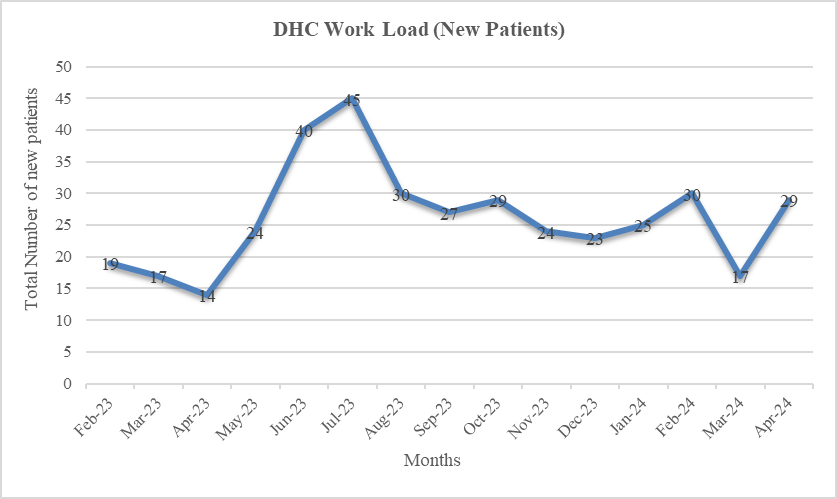
Figure 1. DHC work load for new patients
|
|
|
|
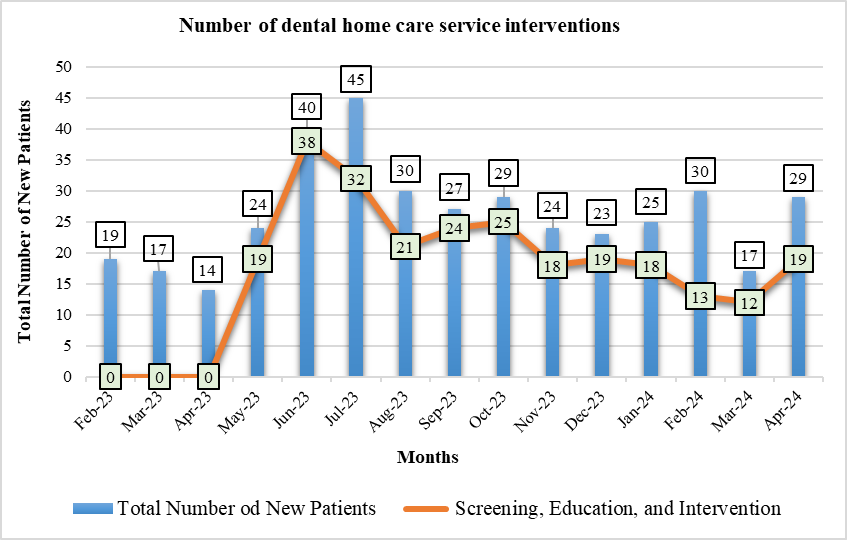
Figure 2. Number of dental home care service interventions
|
Resource utilization and cost efficiency
The virtual clinic model demonstrated significant reductions in resource usage:
- Approximately 522.5 staff hours of savings per annum along with decreases in transports and PPE usage.
- Overall, it was concluded that number of Saudi Arabia Riyals 24,340 was saved annually, following the aspects of less travelling, PPE utilization, and working expenses.
- Virtual screening decreased physical encounters; hence most DHC s could use the limited resources well and deliver focused care to patients that really needed the services.
Patient and provider satisfaction
Students’ survey statements highlighted better satisfaction with virtual screening because physical visits were closely avoided, and patients are only referred to appropriate care environments. Coordination of DHC also improved job satisfaction of the healthcare providers by decreasing workloads of DHC referral strengthening a sustainable DHC service delivery model.
The findings support the possibility of VDC in constraining the DHC referral system disparities in line with Vision 2030 objectives of convenient health care in Saudi Arabia. Due to VCA for DHC eligibility, referrals that were false were minimized and more of such resources where produced meaningfully at PSMMC (Armfield et al., 2006). This shift to virtual screening can be viewed in the context of other changes in teleradiology seen around the world with teeth teleconsultation showing high efficacy in handling of the first appointments and restricting face-to-face evaluations (van Wijk & Hoogstraten, 2009).
The concept of virtual clinic at PSMMC eliminated operational cost while at the same time increasing the satisfaction of both the patient as well as the provider. This eliminated a lot of futile trips that otherwise would have been made because patients understood better the offers by DHC through initial consultations from home. It leads to openness and satisfied clients, and empowers people and their kin to make wise choices on their health concerns. However, some the barriers to put into practice virtual screening include; lack of technology amongst the employees, poor technology access in the rural region imply the need to enhance infrastructure and training for the employees. All these are important in growing the telemedicine front and enhancing on virtual clinic especially where there is poor access. In order to improve the precision of remote screening, additional assessment instruments that may be adopted by PSMMC include high definition video and live intraoral camera. It is also important to invest in secured telemedicine platforms, the rigorously and standard formulation of patient privacy policies to increase the level of users’ acceptance and the utilization of virtual dental services across Saudi Arabia (American Psychiatric Association, 2000; Schuller et al., 2003).
Application of a virtual dental clinic to manage DHC referrals at PSMMC have enhanced improved the accuracy of the referrals, optimized resources available while enhancing patient satisfaction (Armfield, 2010). This approach wills not only help Saudi Arabia achieve Vision 2030 goals for availability of adequate health facility with proper health care for the population, but it is also scalable model which could be implemented in other healthcare facility care dominion to improve domiciliary care facilities services (McGrath & Bedi, 2004). Despite these barriers like technology, access, and training, there is a great opportunity that virtual clinics can revolutionize the DHC referral pattern in the interest of efficiency and patient outcome. We expect that as these and other telemedicine technologies advance in the future for DHC services throughout Saudi Arabia, the care of elderly and homebound patient’s advances as well (Pohjola et al., 2007).
Implications for future research
The positive findings from the present study also form a basis for future examination of the efficiency of Virtual clinics in different arenas of domiciliary healthcare. Subsequent researches may assess patients’ experiences as well as the general performances of virtual clinics in the long-term. Moreover, it may be useful to explore the applicability of such a concept to other specialties of healthcare services where patients need frequent interactions with the clinicians. It could also be broadened by studying patient characteristics, analyzing the attitude of people of different age towards virtual services, and evaluating the effects of telemedical services on patients’ compliance with a prescribed treatment regimen. Research exploring the socio-economic effects of virtual clinics in relation to its application on the growth of socio-economically disadvantaged populations could help the nation and other parts of the world understand how to harness telemedicine to eliminate socio-economic disparities in accessing quality and timely healthcare facilities.
Conclusion
Due to the decrease in the number of unessential physical examinations as well as the improvement in resource utilization and satisfaction of patients and providers, the virtual clinic program in PSMMC is clear proof of the shift towards the utilization of the digital health solutions in the modern world. It is crucial to underline that this study embraces the large perspective for application of the telemedicine within comprehensible, cost–effective and the patient-centered healthcare, enforcing the sense of the value of the virtual screening within the context of the domiciliary health care services.