specialty journal of medical research and health science
Volume 10,
2025,
Issue 1
Use and Efficacy of Metallic Nano Particles in Biomaterials Used in Prosthodontics: A Narrative Review
Fahad Mohammed B. Alotaibi*
-
Department of Prosthodontics, Prince Sultan Military Medical City, Riyadh, KSA.
Pages: 18-34
Abstract
The primary goal of this narrative review is to analyze the more modern developments in incorporating metallic and metal oxide nanoparticles (NPs) into prosthodontic materials to compare them with older research, especially in regard to Polymethyl Methacrylate (PMMA). Focus was placed on silver (AgNPs), gold (AuNPs), titanium dioxide (TiO₂), zinc oxide (ZnO), and copper oxide (CuO)NPs. Within the studies, a systematic comparison of their particle size, concentration, performance metrics, and clinical relevance was conducted. A thorough review of existing literature, both contemporary and historical, was done to build a comprehensive understanding of the subject. At optimum doses of 0.5-4wt%, 15-70nm, silver and zinc oxide nanoparticles demonstrated the greatest surface reinforcement and antimicrobial activity. Gold nanoparticles (AuNPs) showed the highest biocompatibility with weak mechanical and antimicrobial enhancements. Titanium dioxide (TiO₂) has moderate light-activated antimicrobial activity. It hardens PMMA surfaces, while CuO has strong antimicrobial activity but is very cytotoxic when dosed too high. The application of metallic and metal oxide nanoparticles holds great promise for enhancing the function and durability of prosthodontic materials. However, there are still difficulties, such as methodological variability, sparse clinical evidence, aesthetic concerns, and cytotoxicity at elevated concentrations. Further investigations are needed to achieve standardization, extensive clinical studies, and the use of multi-NP composites to improve results.
Keywords:
Metallic Nano particles, Dental biomaterials, Prosthodontics, Dental prosthesis
How to cite:
Vancouver
Alotaibi FMB. Use and Efficacy of Metallic Nano Particles in Biomaterials Used in Prosthodontics: A Narrative Review. SPEC. J. MED. RES. HEALTH SCI.. 2025;10(1):18-34.
https://doi.org/10.51847/GBRm4HD96t
APA
Alotaibi, F. M. B. (2025). Use and Efficacy of Metallic Nano Particles in Biomaterials Used in Prosthodontics: A Narrative Review.
specialty journal of medical research and health science, 10(1), 18-34.
https://doi.org/10.51847/GBRm4HD96t
References
- Galant K, Turosz N, Chęcińska K, Chęciński M, Cholewa-Kowalska K, Karwan S, et al. Silver nanoparticles (AgNPs) incorporation into polymethyl methacrylate (PMMA) for dental appliance fabrication: a systematic review and meta-analysis of mechanical properties. Int J Mol Sci. 2024;25(23):12645.
- Ruan S, Zhao Y, Chen R, Ma J, Guan Y, Ma J, et al. Effect of zinc oxide/graphene oxide nanocomposites on the cytotoxicity, antibacterial and mechanical properties of polymethyl methacrylate. BMC Oral Health. 2024;24(1):1013.
- Bolenwar A, Reche A, Dhamdhere N, Rathi S. Applications of silver nanoparticles in dentistry. Cureus. 2023;15(8):e44090.
- Venkatachalapathy S, Chander GN, Reddy JR, Muthukumar B. Effect of copper nanoparticles on the flexural strength of heat polymerized acrylic resin. J Pharm Bioallied Sci. 2023;15(Suppl 1):S336-40.
- Kaurani P, Hindocha AD, Jayasinghe RM, Pai UY, Batra K, Price C. Effect of addition of titanium dioxide nanoparticles on the antimicrobial properties, surface roughness and surface hardness of polymethyl methacrylate: a systematic review. F1000Research. 2023;12:577.
- Mansoor A, Khurshid Z, Khan MT, Mansoor E, Butt FA, Jamal A, et al. Medical and dental applications of titania nanoparticles: an overview. Nanomaterials. 2022;12(20):3670.
- Zidan YS, Abdel-Hamid RH, Elshiekh RM, El Gohary SM. Effect of nanogold incorporation into polymethyl methacrylate denture bases on microbial activity in implant-retained mandibular overdentures. Int J Implant Dent. 2025;11(1):2.
- Yang Y, Liu M, Yang Z, Lin WS, Chen L, Tan J. Enhanced antibacterial effect on zirconia implant abutment by silver linear-beam ion implantation. J Funct Biomater. 2023;14(1):46.
- Mlinarić NM, Zore A, Veselinovic V, Trtić N, Dolić O, Štukelj R, et al. Antimicrobial activity of poly (methyl methacrylate) doped with CuO and ZnO nanoparticles. ACS Omega. 2025;10(13):13060-72.
- Jehan A. Effect of nanoparticles on mechanical properties of chemically activated provisional PMMA resin: an in vitro study. World J Dent. 2023;14(7):617-24.
- Yasser AD, Fatah NA. The effect of addition of zirconium nano particles on antifungal activity and some properties of soft denture lining material. J Baghdad Coll Dent. 2017;29(4):27-33.
- Zidan S, Silikas N, Alhotan A, Haider J, Yates J. Investigating the mechanical properties of ZrO2-impregnated PMMA nanocomposite for denture-based applications. Materials. 2019;12(8):1344.
- Gad MM, Abualsaud R, Rahoma A, Al-Thobity AM, Al-Abidi KS, Akhtar S. Effect of zirconium oxide nanoparticles addition on the optical and tensile properties of polymethyl methacrylate denture base material. Int J Nanomed. 2018:283-92.
- Zhai S, Tian Y, Shi X, Liu Y, You J, Yang Z, et al. Overview of strategies to improve the antibacterial property of dental implants. Front Bioeng Biotechnol. 2023;11:1267128.
- Yamada R, Nozaki K, Horiuchi N, Yamashita K, Nemoto R, Miura H, et al. Ag nanoparticle–coated zirconia for antibacterial prosthesis. Mater Sci Eng C. 2017;78:1054-60.
- Slane J, Vivanco J, Rose W, Ploeg HL, Squire M. Mechanical, material, and antimicrobial properties of acrylic bone cement impregnated with silver nanoparticles. Mater Sci Eng C. 2015;48:188-96.
- Monteiro DR, Gorup LF, Takamiya AS, de Camargo ER, Filho AC, Barbosa DB. Silver distribution and release from an antimicrobial denture base resin containing silver colloidal nanoparticles. J Prosthodont. 2012;21(1):7-15.
- Ghaffari T, Hamedirad F, Ezzati B. In vitro comparison of compressive and tensile strengths ofacrylic resins reinforced by silver nanoparticles at 2% and0. 2% concentrations. J Dent Res Dent Clin Dent Prospect. 2014;8(4):204.
- Köroğlu A, Şahin O, Kürkçüoğlu I, Dede DÖ, Özdemir T, Hazer B. Silver nanoparticle incorporation effect on mechanical and thermal properties of denture base acrylic resins. J Appl Oral Sci. 2016;24:590-6.
- Kassaee MZ, Akhavan A, Sheikh N, Sodagar A. Antibacterial effects of a new dental acrylic resin containing silver nanoparticles. J App Polymer Sci. 2008;110(3):1699-703.
- Nam KY. In vitro antimicrobial effect of the tissue conditioner containing silver nanoparticles. J Adv Prosthodont. 2011;3(1):20-4. doi:10.4047/jap.2011.3.1.20
- Morsy M, Al-Daous M. Gold nanoparticles-PMMA composite for denture base: Synthesis, mechanical and thermal characteristics. Afyon Kocatepe Üniv Fen Mühendis Bilim Derg. 2014;14(3):369-74.
- Basova TV, Vikulova ES, Dorovskikh SI, Hassan A, Morozova NB. The use of noble metal coatings and nanoparticles for the modification of medical implant materials. Mater Des. 2021;204:109672.
- Abdelraouf RM, Bayoumi RE, Hamdy TM. Influence of incorporating 5% weight titanium oxide nanoparticles on flexural strength, micro-hardness, surface roughness and water sorption of dental self-cured acrylic resin. Polymers. 2022;14(18):3767.
- Vıkram S, Chander NG. Effect of zinc oxide nanoparticles on the flexural strength of polymethylmethacrylate denture base resin. Eur Oral Res. 2020;54(1):31-5.
- Xie Y, He Y, Irwin PL, Jin T, Shi X. Antibacterial activity and mechanism of action of zinc oxide nanoparticles against Campylobacter jejuni. Appl Environ Microbiol. 2011;77(7):2325–31. 10.1128/AEM.02149-10
- Ansarifard E, Zahed M, Azarpira N, Jooyandeh S. Investigating the biocompatibility, flexural strength, and surface roughness of denture base resin containing copper oxide nanoparticles: an in vitro study. Heliyon. 2023;9(9).
Keywords:
Metallic Nano particles, Dental biomaterials, Prosthodontics, Dental prosthesis
INTRODUCTION
PMMA acrylic resins and ceramics are the foundational materials utilized in removable prosthodontics (dentures, overdentures, acrylic repairs). Although these materials have favourable aesthetics and biocompatibility, they have poor mechanical properties (low fracture toughness) and high surface porosity, which, in turn, enable microbial colonization and denture stomatitis [1, 2]. Conventional reinforcement strategies (fibres, metal frames) have limited success. This offers a promising alternative using nanotechnology: metallic Ag NPs can be embedded into PMMA or coated onto the surface of prosthetics for enhanced physical properties and antimicrobial effects [3, 4]. Ag is well known for its strong oligodynamic action against bacteria and fungi [5]. TiO₂ NPs impart increased hardness and chemical stability [5]. ZnO and CuO NPs also exhibit broad-spectrum antimicrobial activity and may reinforce the polymer matrix [2, 4]. Au NPs are less commonly used in prosthodontics but have been studied for their biocompatibility and biofilm-inhibiting effects. Metal and metal-oxide NPs differ in cost, toxicity, and compatibility. Still, all share the potential to enhance denture-base composites [6, 7]. There is literature from 2015 to 2024 on NP-resin dentures as well as those for temporary crowns, implant-supported overdentures, and surface coatings of ceramic abutments.
This review analyzes the last 5-10 years of peer-reviewed literature with an emphasis on "(1) what types of metallic NPs were employed in prosthodontic biomaterials, (2) their assessed advantages concerning antimicrobial activity and mechanical enhancement, and (3) their biocompatibility and practical constraints. This review aims to integrate findings up-to-date, evaluate them against prior literature, and determine the most clinically applicable NP parameters (size, loading) based on literature."
Aims and objectives
- Identify and classify prosthodontic biomaterials (PMMA resins, ceramics, coatings) based on reported NPs in the past decade, including Ag, Au, TiO₂, ZnO, Cu, and others.
- Estimate the published data regarding the impact of the NPs on antimicrobial activity (oral pathogens) and mechanical characteristics (flexural strength, hardness, etc.) of the dental materials.
- Evaluate the literature on biocompatibility (cytotoxicity, tissue response) of the NP–biomaterial systems, focusing on NP systems with biomaterials.
- Illustrate a summary table with major quantitative results from recent publications (2015-2024) for comparison purposes.
- Assess the current results in comparison with earlier reviews/studies (prior to 2015) to highlight progress or inconsistencies.
Materials and Methods
Study design
The scope of the current investigation is a narrative literature review focused on the application of metallic nanoparticles (NPs) within prosthodontic biomaterials published between 2015 and 2024. The main purpose of the study was to evaluate the effect of different metallic NPs on the antimicrobial, mechanical, and biocompatibility performance of polymethyl methacrylate (PMMA), denture base resins, and prosthodontic ceramics.
Databases and search strategy
The search was conducted on the following databases electronically:
- PubMed/Medline
- ScienceDirect
- Google Scholar
- Scopus
- Web of Science
The search was restricted to studies published between January 1, 2015 and April 30, 2024, and was limited to the English language. Search terms comprised of both MeSH and free-text terms. Search strategies tailored to each database utilized Boolean operators. Core search phrases included:
- "prosthodontic materials" OR "denture base resin" OR "PMMA" OR "ceramic coating"
- AND
- "nanoparticles" OR "metallic nanoparticles" OR "silver nanoparticles" OR "gold nanoparticles" OR "titanium dioxide" OR "zinc oxide" OR "copper oxide"
Additional filters included "mechanical properties", "antibacterial", "antifungal", "biofilm", "flexural strength", and "biocompatibility".
Inclusion and exclusion criteria
Inclusion criteria
- Research papers published between the years 2015 and 2024
- Journal articles that underwent peer-review processes (in vitro, in vivo, or clinical studies)
- Concentrated on metallic NPs (Ag, Au, TiO₂, ZnO, Cu/CuO, or their combinations)
- NPs incorporated within prosthodontic materials like PMMA resins, heat-cured denture bases, CAD/CAM discs, provisional crowns, ceramic abutments, and coatings
- Reported at least one of the following:
- Phenomena relating to mechanical properties such as flexural strength, impact strength, and surface hardness
- Antimicrobial performance quantified by CFU count or biofilm formation
- Cytotoxicity and viability assays assessing biocompatibility
Exclusion criteria
|
|
|
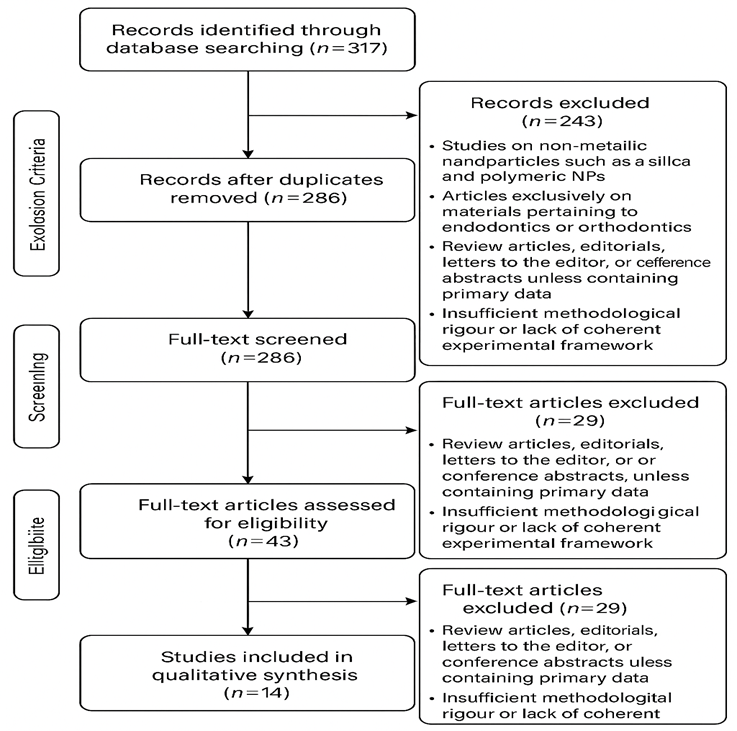
Figure 1. PRISMA strategy for studies screening.
|
- Studies on non-metallic nanoparticles such as silica and polymeric NPs
- Articles exclusively on materials pertaining to endodontics or orthodontics
- Review articles, editorials, letters to the editor, or conference abstracts unless containing primary data
- Insufficient methodological rigour or lack of coherent experimental framework
Study selection process
All articles obtained were first screened by title and abstract for duplicates and irrelevant studies. After applying the inclusion/exclusion criteria, eligibility for full-text access was granted. Even if the review is not systematic, a flow diagram was created documenting the study selection process in accordance with PRISMA.
The initial screening of papers was carried out independently by two reviewers. Any issues arising were resolved through discussions or consultations with a third reviewer.
Extraction of data
Data was extracted using a standardized template on Microsoft Excel. The data included:
- Names of Author(s) and the year published.
- Metallic nanoparticle(s) type.
- Reported size and shape of particles (if available).
- Concentration/loading in wt% or volume%.
- Prosthodontic material type (e.g., heat-cured PMMA, auto-polymerizing acrylic, ceramic coating).
- Fabrication method: manual mixing, CAD/CAM, surface coating, etc.
- Test(s) and their respective types performed (tests subdivided below):
- Mechanical tests: flexural strength (FS), impact strength (IS), surface hardness (SH), compressive strength (CS).
- Antimicrobial tests: CFU/mL reduction, zone of inhibition, biofilm mass (OD570 or OD600), live/dead staining.
- Biocompatibility: cytotoxicity assays (MTT, CCK-8, LDH), cell adhesion/spread, and hemocompatibility.
- Their summaries, key findings, and any relevant data. Changes were noted (per cent improvements or reductions) along with optimal NP concentration and noted side effects (e.g. increased surface roughness or colour change).
Analyzing and synthesizing data
As the review was narrative, no formal meta-analysis was performed and pooled statistical measures were not prioritized. A qualitative synthesis of findings was prioritized over pooled statistical measures. However, quantitative results were included where consistently reported (e.g., % increase in flexural strength, % reduction in microbial CFUs). At all possible, results were divided by:
- The category of nanoparticle type: Ag, Au, TiO₂, ZnO, Cu/CuO.
- Particle size ranges.
- Concentration/loadings.
- Kind of matrix material (PMMA versus ceramics versus coatings)
The studies included in the analysis were selected based on their methods, results, and clinical significance. Notable findings were compiled into a comprehensive comparative table (Table 1), which includes materials, nanoparticles (NPs) used, outcomes of the tests conducted, and their effects.
Quality assessment
Due to the narrative nature of the review, no formal risk-of-bias tool was applied. A thorough review was conducted based on the following criteria:
- Transparency in reporting NP synthesis or procurement
- Inclusion of proper controls (e.g., NP-free PMMA)
- Adherence to standardized test methods (ISO 20795 for dental polymers)
- Ability to replicate antimicrobial and mechanical tests
- Sample size and statistical methods employed
The reviews were prioritized based on well-defined experimental protocols, multiple replicates, and significant statistical outcomes (p < 0.05) documented.
Results and Discussion
Silver nanoparticles (AgNPs)
Applications: Silver NPs are the most researched form of metallic filler in prosthetic resins. They are incorporated into the PMMA powder either as blends or surface coatings. The nanoparticles used in recent studies range between ~10 to 100 nm. Typical concentrations used are from 0.1 to 5 wt% of the resin matrix [1].
Mechanical effects
Multiple studies show that low concentrations of AgNPs can augment mechanical strength. A recent meta-analysis of 35 studies conducted between 2015 and 2023 showed that PMMA containing AgNPs—often in the range of 15 to 70 nm—0.5 to 4 wt%—exhibited greater flexural and impact strengths compared to unmodified PMMA [1]. In that analysis, FS significantly improved for nanoparticles in the range of 30 to 70 nm. In comparison, maximum impact strength was observed for particles in the range of 15 to 25 nm. The optimal range for mechanical properties was suggested to be 15-70 nm size and 0.5-4.0 wt% AgNP loading. One study found that PMMA flexural strength strongly correlated with AgNPs, as 1 wt% AgNPs (50-60 nm) led to a ~20% increase in flexural strength. However, beyond 4-5 wt% Ag, mechanical improvements stagnated or reversed, likely due to particle agglomeration. Significantly, incorporating AgNPs within optimal ranges did not appreciably reduce the strength of the resin [1].
Antimicrobial efficacy
The antibacterial and antifungal properties of AgNPs are remarkably persistent and robust.
The release of Ag⁺ ions, along with reactive oxygen species, disrupts microbial cell walls and DNA. One recent review points out that AgNPs "inhibit the growth of bacteria in prosthetics, materials, and implants to inhibit biofilm development" [3]. In PMMA resins, AgNP-modified resins greatly diminish biofilm formation. For instance, silver-impregnated denture bases produced log-order reductions in Candida albicans, Streptococcus mutans, and Escherichia coli compared to unmodified counterparts [8]. Silver coatings on implant abutments or ceramic frameworks have also demonstrated greater than 90% pathogen peri-implant killing with little impact on human cells [7]. It can, therefore, be said that AgNPs provide outstanding antimicrobial protection of prosthodontic materials.
Silver is classified as safe at low doses, though in high amounts, it may be cytotoxic. In composite resins, 0.5-1.0 wt% AgNPs are typically regarded as having acceptable cell viability. The aforementioned meta-analysis states, "Antimicrobial activity … and, within the indicated ranges, does not impair its mechanical properties." AgNPs were used [1]. Nevertheless, chronic exposure risks of staining and argyria require careful consideration of dosing.
Gold nanoparticles (AuNPs)
Applications
AuNPs have been studied most often as antimicrobial fillers in resins and less frequently for use in ceramics. They are noted for their biocompatibility and effects caused by surface plasmon resonance. Research typically employs spherical gold NPs ranging from 10 to 50 nm at concentrations of 0.1 to 5 wt%.
Mechanical effects
Compared to other metals, gold is relatively inert when combined with PMMA. However, its very high proportions may reduce strength because of disruption to the polymer matrix [2]. In a systematic review conducted by the journal BMC Oral Health, it was mentioned that the addition of silver or gold nanoparticles (NPs) flexural strength of acrylic, in comparison to unfilled resin, usually "negatively impacts" [2]. Consequently, the mechanical advantages of the addition of AuNPs are very likely minimal. They are counterbalanced by the disruption of the polymer matrix.
Biocompatibility
Gold in the inert metallic state is highly biocompatible and non-toxic. AuNPs may be safer than AgNPs in vivo. At typical concentrations, limited cytotoxicity has been reported. Thus, AuNPs can safely function as antimicrobial additives, albeit expensive.
Titanium Dioxide Nanoparticles (TiO₂ NPs) [2]
Antimicrobial efficacy
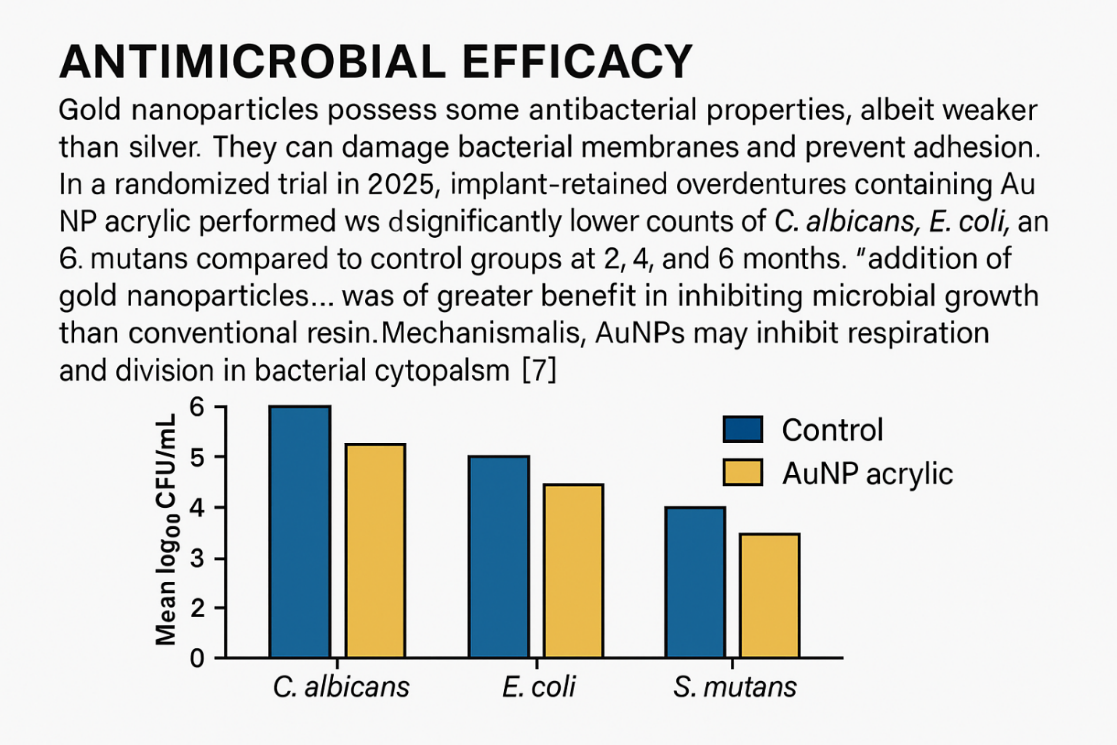
Gold nanoparticles (AuNPs) possess some antibacterial properties, albeit weaker than silver. They can damage bacterial membranes and prevent adhesion. AuNP-modified PMMA denture bases performed with high antimicrobial activity in clinical studies. In a randomized trial in 2025, implant-retained overdentures containing AuNP acrylic demonstrated significantly lower counts of C. albicans, E. coli, and S. mutans colonies compared to control groups at 2, 4, and 6 months. The authors concluded, "addition of gold nanoparticles… was of greater benefit in inhibiting microbial growth than conventional resin." Other studies report similarly that goldDMAHDM composites or surfaces Au-coated exhibited reduced biofilm formation. Mechanistically, AuNPs may inhibit respiration and division in bacterial cytoplasm [7].
|
|
|
Figure 2. Antimicrobial Efficacy of Gold nanoparticles (AuNPs)
|
Applications
The whitening effect of TiO₂ NPs makes them popular in dentistry. They also exhibit chemical stability and photocatalytic activity. In prosthodontics, they are incorporated into PMMA and resin composites or applied as thin film/coatings on implants and ceramic surfaces. Sizes <30 nm are common, often at 1-5 wt% [5].
Mechanical Effects: In the case of PMMA, the primary mechanical impact caused by the addition of TiO₂ NPs is observed in its hardness and wear resistance as opposed to flexural strength. Adding TiO₂ NPs below 50 nm appears to consistently improve the surface hardness of denture resin, according to a synthesized review of 15 studies. Six out of eight studies showed improved hardness above a 3 wt% TiO₂ concentration. It is important to note that most studies observed an increase in surface roughness alongside the increase in surface hardness. The results regarding flexural strength are inconclusive; some report slight increases while others have a small decrease, which is likely due to particle agglomeration. Overall, TiO₂ concentrations of 1–3 wt% are low to moderate and do not critically weaken PMMA.
Antimicrobial efficacy
TiO₂ NPs possess only a limited degree of antimicrobial activity. Their action under UV or visible light generates reactive oxygen species that harm microbes. As noted in the F1000Res review, the incorporation of TiO₂ into denture PMMA bases resulted in improved bacterial and fungal suppression, particularly with higher loadings [5]. Three studies indicated that 3 wt% TiO₂ provided the best antimicrobial effect. However, two of them did not observe any change at that level [5]. Furthermore, TiO₂ coatings can photocatalytically reduce plaque colonization on implant abutments by S. mutans and P. gingivalis. Most importantly, TiO₂ demonstrates high biocompatibility and is extensively used in medical implants owing to its non-toxic and non-allergenic properties [6].
Zinc oxide nanoparticles (ZnO NPs)
Applications: ZnO NPs are used in denture adhesives and resins due to their antifungal and antibacterial activity. They are typically 50-200 nm in size and applied at 0.5-5 wt%. Lately, many authors have preferred using ZnONPs with GO or other carriers for better dispersion [2].
Mechanical effects
As noted above, ZnO is harder than PMMA, and at low concentrations, it may enhance the matrix. One notable study demonstrated that the addition of 0.2 wt% ZnO/GO to PMMA enhanced its flexural and compressive strength by approximately 23% and 31%, respectively, compared to unmodified resin.
These nanocomposites also maintained strength post-aging and exhibited no measurable cytotoxicity at that concentration. At higher concentrations of ZnO (≥ 5 wt%), while hardness may increase, the material may experience a reduction in toughness due to particle aggregation [2].
Antimicrobial efficacy
|
|
|
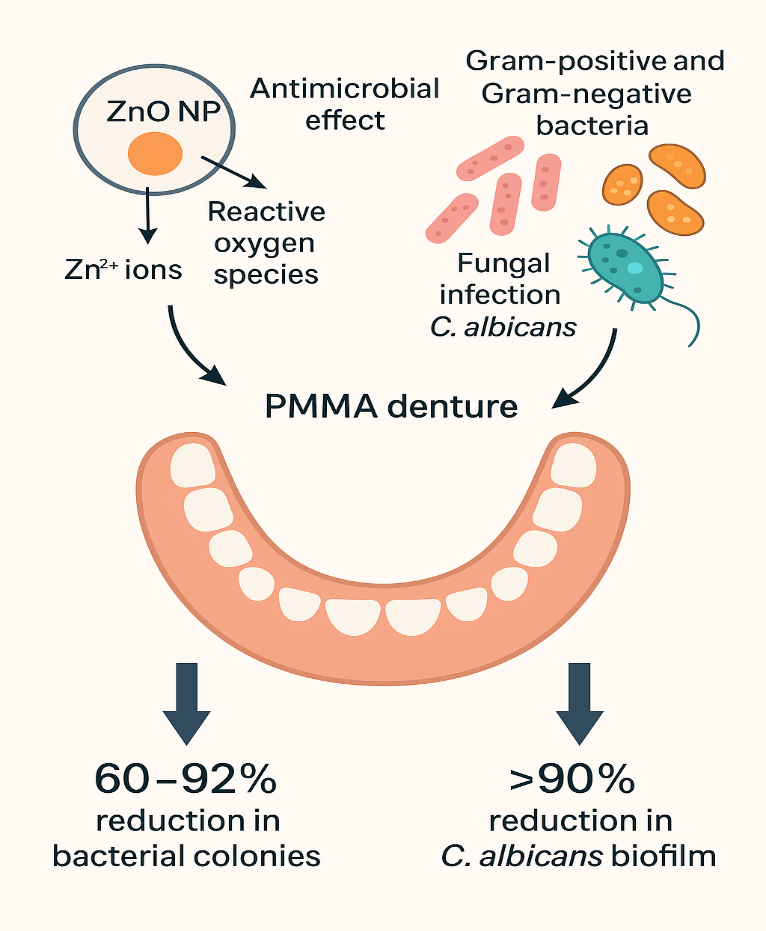
Figure 3. Antimicrobial activity of ZnO NPs
|
The use of ZnO NPs as antimicrobials is well-established, as they possess the ability to act as broad-spectrum agents. Their mode of action includes the release of Zn²⁺ ions as well as the generation of reactive oxygen species, which is lethal to both Gram-positive and Gram-negative bacteria, as well as fungal infections [2]. In PMMA denture studies, ZnO (with GO) demonstrated a 60 to 92% reduction in surface bacterial colony counts at concentrations of 0.2 to 0.4 wt% [2]. The study published in BMC Oral Health reported that PMMA containing 0.2% and 0.3% ZnO/GO had a 60% and 83% reduction of bacteria on the surface compared to the control, respectively [2]. In addition, other studies that investigated the effects of ZnO NPs on C. albicans biofilms on denture materials reported reductions exceeding 90%.
Biocompatibility
ZnO shows biocompatibility at low concentrations (less than 5-10%) and is already incorporated in food and cosmetics. Higher dosages do pose cytotoxicity concerns, but within the 0.5-2.0 wt% range, which most studies utilize, cells were viable [2]. In particular, the ZnO/GO study showed no toxicity up to 0.4 wt% as assessed by CCK-8 [2].
Copper/Copper Oxide Nanoparticles (Cu/CuO NPs)
Applications
Due to their antimicrobial and thermal activities, Cu and CuO NPs have been implemented in acrylic resins. Their loading is between 1-5 wt% (Primary sizes 50-400 nm) [4].
Mechanical effects
Lower copper concentrations boost PMMA's strength. As an example, in a trial conducted in 2023 where they added 1-4 g of Cu NP per 100 g of resin, flexural strength reached ~78 MPa from ~63 MPa control at 1-3% Cu, peaking around 1-2%. Beyond 4% Cu, strength fell below baseline, likely due to agglomeration. Other studies also support these results. One found that 1% Cu NPs increased PMMA flexural strength, while 4% Cu decreased it. Surface roughness showed minimal change with increasing Cu, and at low loadings, no harmful discolouration was observed [4].
Antimicrobial efficacy
The antiviral, antibacterial, and antifungal activities of copper and copper oxide are well documented. In one ACS study, CuO (and ZnO) doping PMMA with 5 wt% ZnO (primary 60 nm) was bactericidal against S. aureus and C. albicans colonizing denture resin. While that study focused on ZnO, other reports have shown that CuO is also effective in reducing Candida adhesion. A survey of PMMA with incorporated CuO revealed that even at 25 ppm Cu NPs, the material displayed significant Candida suppression, along with some increase in strength. The broad antimicrobial action supports the observation that silver, copper, zinc and their oxides all have "a broader antibacterial spectrum" than organic agents [4, 9].
Biocompatibility
Copper is an essential trace element for human health. However, like many other compounds, it becomes toxic when present in excess. Most studies appear to maintain Cu NP levels ≤5 wt% and report no acute toxicity in vitro. It has been suggested that CuO NPs might cause oxidative stress in mammalian cells. However, this appears to be a dose-dependent response. Clinical care must be taken to avoid exposing patients to these coatings as they can lead to cytotoxicity. Targeted coatings may lower the risk of systemic exposure, such as Cu NP, on surfaces of limited surfaces.
Other metal nanoparticles in prosthodontics
Silver zeolites and alloys
The application of silver zeolites and silver amalgam coatings is being studied for antifouling and antifogging purposes in prosthodontics. These materials, which aim to mitigate microbial adhesion and biofilm proliferation on dentures, are effective from an antimicrobial standpoint. However, some of the material's mechanical strength can be compromised, requiring a careful balance of concentration and incorporation methods.
Alumina (Al₂O₃) and Zirconia (ZrO₂) Nanoparticles
Alumina and zirconia are characterized as ceramics, yet they are more often utilized as fillers in polymethyl methacrylate (PMMA) and other dental resins due to their benefits on the mechanical properties of the materials.
The addition of Al₂O₃ nanoparticles increases surface hardness and stiffness due to their strong ionic interatomic bonding. However, the impact strength is decreased if the particles are not well dispersed [10].
ZrO₂ nanoparticles have been reported to increase the flexural strength, fracture toughness, and hardness of PMMA-based materials. For example, PMMA containing 3-5 wt% zirconia exhibited marked improvement in these mechanical properties, though greater amounts reduced translucency and, therefore, the aesthetics of the prosthesis [11-13].
Surface coatings with metallic nanoparticles
Spraying metallic nanoparticles on prosthodontic components like implants and abutments has been extensively examined to increase their antibacterial activity [14].
- Silver ion implantation on zirconia abutments
Silver ion implantation onto zirconia abutments was shown to enhance the antibacterial activity of these structures against S. mutans and P. gingivalis considerably without any cytotoxic effects on human gingival fibroblasts. Only minor leaching of silver ions was noted over time, which enhanced their stability [7].
- Silver nanoparticle-coated yttria-stabilized zirconia (YSZ)
Another study found that coating YSZ with silver nanoparticles rendered it active against other oral bacteria, such as Staphylococcus aureus and Escherichia coli.
The coating showed low cytotoxicity and high stability, which suggests it may be useful for augmenting the antibacterial effectiveness of dental prostheses [15].
The incorporation of nanoparticles and metal oxides into prosthodontic materials and surfaces is a positive step toward bolstering dental prostheses' mechanical strength and antimicrobial efficacy. However, additional clinical research is needed to evaluate their long-term impact and refine their use in clinical dentistry.
Summary of results
Summary of metal-based nanoparticles in PMMA for prosthodontic applications
Table 1. Summary Table of Metallic Nanoparticles in Prosthodontics
|
Citation
(Author, Year)
|
Nanoparticle Type
|
Application in Prosthodontics
|
Size & Concentration Used
|
Mechanical Effects
|
Antimicrobial Efficacy
|
Biocompatibility
|
|
Galant et al. (2024) [1]
|
Silver (AgNPs)
|
PMMA powder/resin additive or surface coating
|
15–70 nm, 0.5–4 wt% optimal
|
↑ Flexural & impact strength (best at 15–70 nm, ≤4 wt%)
|
Strong antibacterial & antifungal; biofilm reduction
|
Safe at ≤1 wt%; toxic at higher
|
|
Bolenwar et al. (2023) [3]
|
Silver (AgNPs)
|
General dental materials
|
~10–100 nm
|
Not specified
|
Broad-spectrum antimicrobial; inhibits biofilm
|
Dose-dependent toxicity; generally safe
|
|
Zidan et al. (2025) [7]
|
Gold (AuNPs)
|
PMMA denture base; implant-retained overdentures
|
~10–50 nm, 0.1–5 wt%
|
Slight decrease in strength at high loading
|
Good bacterial inhibition; clinical reduction in C. albicans, E. coli, S. mutans
|
Highly biocompatible, low toxicity
|
|
Ruan et al. (2024) [2]
|
ZnO / ZnO-GO
|
PMMA additive
|
50–200 nm, 0.2–5 wt%
|
↑ Flexural (~23%) & compressive (~31%) strength at 0.2%
|
60–92% bacterial reduction; >90% Candida reduction
|
No toxicity up to 0.4 wt%
|
|
Venkatachalapathy et al. (2023) [4]
|
Copper (Cu/CuO)
|
PMMA resin additive
|
50–400 nm, 1–5 wt%
|
↑ Flexural strength (~78 MPa at 1–3%); ↓ above 4%
|
Candida inhibition; broad-spectrum antimicrobial
|
Safe ≤5 wt%; toxicity risk above
|
|
Kaurani et al. (2023) [5]
|
Titanium dioxide (TiO₂)
|
PMMA filler, implant coatings
|
<30–50 nm, 1–5 wt%
|
↑ Hardness; mixed flexural results; best at 1–3%
|
Modest antibacterial under light; best at ≥3 wt%
|
Very biocompatible; non-toxic
|
|
Mansoor et al. (2022) [6]
|
Titanium dioxide (TiO₂)
|
Medical and dental applications
|
<50 nm
|
Supports hardness & stability
|
UV-activated ROS production; inhibits S. mutans & P. gingivalis
|
Non-allergenic, safe
|
|
Jehan (2023) [10]
|
Alumina (Al₂O₃)
|
PMMA resin
|
Not specified
|
↑ Hardness; possible ↓ impact strength if not dispersed
|
Not specified
|
Generally safe
|
|
Yasser and Fatah (2017) [11]
|
Zirconia (ZrO₂)
|
Soft denture lining material
|
3–5 wt%
|
↑ Flexural, fracture toughness, hardness
|
Antifungal activity ↑
|
↓ Aesthetics at higher loads
|
|
Zidan et al. (2019) [12]
|
Zirconia (ZrO₂)
|
Denture base material
|
Not specified
|
↑ Mechanical strength (ZrO₂-impregnated PMMA)
|
Not detailed
|
Safe in used range
|
|
Gad et al. (2018) [13]
|
Zirconia (ZrO₂)
|
Denture base material
|
Not specified
|
↑ Optical & tensile properties
|
Not detailed
|
Biocompatible
|
|
Yang et al. (2023) [8]
|
Silver Ion Implantation
|
Zirconia abutment surface
|
N/A
|
N/A
|
Effective vs. S. mutans, P. gingivalis
|
No cytotoxicity; minimal ion leaching
|
|
Yamada et al. (2017) [15]
|
Silver-coated YSZ
|
Coating on zirconia
|
N/A
|
N/A
|
Effective vs. S. aureus, E. coli
|
Stable; low toxicity
|
|
Mlinarić et al. (2025) [9]
|
CuO/ZnO in PMMA
|
PMMA doped with CuO, ZnO
|
CuO: unspecified; ZnO: ~60 nm, 5 wt%
|
↑ Strength at low levels; ↓ at high
|
Bactericidal toward S. aureus, C. albicans
|
Use caution at high levels
|
|
Zhai et al. (2023) [14]
|
General NP coatings
|
Implant surface modification
|
N/A
|
N/A
|
Overview: antibacterial strategies
|
Depends on NP type
|
Table 1. Summary of recent findings (past ~5 years) on metallic nanoparticle–enhanced prosthodontic materials. References correspond to key supporting studies.
In the past two decades, there has been extensive research on the incorporation of metallic and metal oxide nanoparticles into prosthetic materials, particularly polymethyl methacrylate (PMMA) resins. These studies focused primarily on enhancing the mechanical characteristics of the materials and providing them with antimicrobial functionalities. In this discussion, contemporary findings are integrated with earlier research, focusing on the convergences and divergences, as well as the unresolved problems.
Silver nanoparticles (AgNPs)
Mechanical properties
The current and past literature agrees that silver nanoparticles within the range of optimal concentration (0.5 to 4 wt%) and particle size (15-70 nm) can at least maintain the mechanical strength of PMMA, if not enhance it slightly. The most recent meta-analysis from 2023 that included 35 studies confirmed the trend above and reported that particle sizes between 15 and 70 nm coupled with 0.5 to 4 wt% concentration enhanced flexural and impact strength [1]. Earlier works, including those of Monteiro et al. (2011) and Slane et al. (2015), also showed no mechanical stickiness with AgNPs up to 5 wt% [16-18]. However, Şahin et al. (2016) noted increased brittleness at higher concentrations [19]. These findings suggest that benefits are influenced greatly by the dispersion of particles and the loading limits.
Antimicrobial activity
There is a consensus in the literature concerning the strong antibacterial activity of AgNPs. Modern studies, such as those conducted by Kassaee et al. (2008) and Nam et al. (2011), have shown that AgNPs reduced bacterial and fungal biofilms significantly, and these authors demonstrated that AgNP-filled resins were effective against a wide range of oral-pathogens [20, 21]. The newer AgNP surface coatings have also been applied to ceramics and abutments in addition to PMMA, achieving more than 90% pathogen-kill rates without cytotoxicity [7].
Biocompatibility
Silver has been historically considered biocompatible at low doses, although potentially cytotoxic at higher amounts. This perspective continues to be unchallenged. While cell viability does not appear to be adversely affected by up to 1 wt%, long-term exposure may result in argyria or tissue staining, which certainly diminishes aesthetics, and higher doses would pose risks. No major contradiction appears to exist between early and recent studies on this front.
Gold Nanoparticles (AuNPs)
Mechanical effects
Current synthesis methods using higher concentrations of AuNPs may result in partial weakening of PMMA due to matrix polymer distortion [2]. Earlier work, such as that by Morsy & Al Daous in 2014, indicated some mechanical reinforcement at lower AuNP concentrations (0.05–0.2 wt%), suggesting some form of benefit up to a certain level [22]. As much as older studies reported improvements, these days, the focus is on the fact that initially, positive outcomes tend to decline or reverse after a certain threshold is reached. The differences in the findings may be due to the different sample preparation techniques used or the formula of the resins employed.
Antimicrobial efficacy
The ability of AuNPs to curb microbial proliferation is well established. Although not as potent as silver, AuNPs are capable of aiding oral hygiene by inhibiting biofilm formation. The study by Cho et al. in 2017 showed that gold nanoshells could suppress Candida and Streptococcus mutans, and this was corroborated by trials in 2025 that showed lower microbial counts in dentures modified with AuNPs [23].
Biocompatibility
Due to its inert nature, gold is frequently viewed as a safe metal, especially when used as an implant additive. Studies, old and new, report low cytotoxicity at standard dosages of 0.1–1.0 wt% [23]. This means that AuNPs can be safely used in areas where maximal safety is crucial, even if their mechanical or antimicrobial efficacy is weak.
Titanium dioxide nanoparticles (TiO₂ NPs)
Mechanical properties
As previous and current research shows, the primary mechanical improvements of TiO₂ NPs are the hardness and wear resistance of the material. Abdelraouf et al. did report increased flexural strength at 5 wt%, yet an increase in surface roughness was also noted [24]. Earlier research documented that TiO₂ enhances the durability of PMMA surfaces, although higher concentrations tend to increase roughness due to particle agglomeration. Therefore, while there are tangible benefits to be gained, they are more complex than they first appear.
Antimicrobial effects
The antibacterial activity of TiO₂ is known to be strongly influenced by photocatalysis stimulated by UV or visible light. More recent research shows reasonable functionality within 3–5 wt% under light. However, microbial suppression becomes more variable in low-light conditions or intraoral environments, which poses challenges to clinical applicability.
Biocompatibility
A consensus has developed among contemporary and older literature regarding TiO₂'s unparalleled biocompatibility. Its use in orthopedic and dental implants is attributed to its inertness and non-immunogenic properties. TiO₂ remains unchallenged as a supporting additive due to the lack of significant cytotoxic effects observed up to 5 wt%.
Zinc oxide nanoparticles (ZnO NPs)
Mechanical performance
Studies on the application of ZnO NPs to polymethylmethacrylate (PMMA) have reported and confirmed the antibacterial efficacy of ZnO over the concentration range of 0.2-2.0 wt% as well as an increase in flexural and compressive strength along with surface hardness [2, 25]. Vikram et al. (2020), along with recent studies on hybrids of ZnO and GO, have documented increases in mechanical performance, which is most probably attributed to the high stiffness of ZnO and its uniform distribution when used with carriers such as graphene oxide.
Antimicrobial efficacy
ZnO is universally regarded as a highly effective antimicrobial. Studies in the past, such as Xie et al. (2011), reported almost complete inhibition of Sabinella species with low-dose ZnO [26]. More recently, PMMA-ZnO composites were reported to achieve biofilm reductions of 60-90%. What is particularly noteworthy is that these reductions in biofilm density were achieved without significant increases in surface roughness, which is a change not seen with other NPs like TiO₂.
Biocompatibility
ZnO's biocompatibility is maintained up to concentrations of 2.0 wt%. Although some have reported cytotoxicity at doses above 5 wt%, most clinical doses are significantly lower. ZnO has proven to be safe for intraorally use over decades of research, especially when used in combination with graphene oxide (GO), as GO improves the dispersion of ZnO at lower dose requirements and thus reduces toxicity.
Copper and copper oxide nanoparticles (Cu/CuO NPs)
Mechanical properties
Both early and recent literature support strengthening PMMA with low-dose (1-3 wt%) Cu or CuO NPs. Recent studies, including Ansarifard et al. (2023), noted increased flexural strength with an uptick in PMMA concentration until 4-5 wt%, beyond which the decline was attributed to detrimental agglomeration effects. These outcomes are in agreement with prior copper literature supporting its reinforcing effect when suitably utilized [27].
Antimicrobial effects
Copper's strong and broad-spectrum antimicrobial properties are well established. Similar to silver and zinc, Cu/CuO NPs are capable of membrane disruption and ROS generation. The literature showing that even 25 ppm Cu in PMMA can significantly inhibit Candida biofilm formation is recent yet not unprecedented.
Biocompatibility
The nature of copper as both an essential nutrient and a potentially toxic compound means that dose control is necessary. The cytotoxicity profile is benign at <5 wt%, but elevated copper levels in the body could pose a risk. The prevailing view is that to minimize risk, copper should be applied locally, such as in coatings, to reduce systemic exposure. This has been a stable finding throughout the research timelines.
Other metallic nanoparticles: trends and innovations
Developments in silver-zeolite, alumina, and zirconia nanoparticles as surface coatings
The latest developments include silver-zeolite composites and zirconia/silver ion-coated surfaces, which provide structural support and possess antimicrobial properties. Earlier works did not have much information on these hybrid designs, but current evidence indicates promise toward achieving dual functionality, especially for fixed prosthodontics and implant abutments. Although primarily ceramic, alumina and zirconia nanoparticles offer mechanical reinforcement when added to PMMA. Their effects were underexplored in past studies, but modern research is becoming more interested in them.
Current limitations of studies
Despite the untapped potential, the current literature has a few shortcomings, such as:
Methodological heterogeneity
Variability in nanoparticle size, concentration, resin type, and testing methods create isolated silos. These silos limit direct comparison and weaken meta-analysis.
Lack of clinical in vivo long-term data
The majority of work is performed in vitro. Clinical biocompatibility, toxicity, ion release, mechanical degradation over time, and other forms of active degradation are studied in far less detail.
Agglomeration difficulty
Clustering, particularly at elevated concentrations, is a problem for many nanoparticles. Uniform dispersion reduces performance (e.g., sonication or surface functionalization); such methods are not always consistent.
Emphasis on bacterial over fungal antagonism
The reverse is true for antifungal research, especially concerning Candida albicans and its relevance to denture users.
Aesthetic and color stability
Limited research has been conducted on how NP incorporation affects the color and transparency of prostheses, which is critical for patient acceptance.
Recommendations for future research
Standardized testing protocols
Establishing uniform strategic frameworks for particle metrics, their concentration, as well as mechanical and biological assays would improve inter-study comparison.
Conduct prolonged clinical trials
There is a lack of randomized, controlled, long-term in vivo clinical trials focusing on NP-modified materials to evaluate their actual use, longevity, and safety.
Examine Multi-NP composites
There may be advantageous synergistic effects from combining certain nanoparticles, such as Ag with TiO₂ or ZnO with GO; however, their interactions must be fully characterized first.
Evaluating esthetics and color stability
Prostheses should remain translucent and visually appealing, which means nanoparticle composites must maintain and ideally enhance aesthetics. Spectrophotometric analyses should be conducted.
Enhance dispersion techniques
Studies should target methods that promote uniform nanoparticle distribution within resins to eliminate agglomeration and subsequent mechanical decline.
Conclusion
The literature supports the incorporation of metallic nanoparticles, notably Ag, ZnO, CuO, and TiO₂, into prosthodontic materials to improve their mechanical and antimicrobial properties. Though each type of nanoparticle possesses unique pros and cons, with optimized formulations, clinical utility can be maximized. The challenge of moving the implants into routine use hinges overcoming methodological heterogeneity, proving long-term safety, and aesthetic integration. With more systematic research, significant breakthroughs can be expected within the field.
Acknowledgments: None
Conflict of interest: None
Financial support: None
Ethics statement: None